As we move through 2026, the logistics landscape is undergoing a radical shift. Sustainability has evolved from a corporate buzzword into a fundamental operational driver. New Energy Vehicles (NEVs)—ranging from electric delivery vans to heavy-duty trucks—are at the forefront of this revolution. For B2B enterprises, the transition to new energy vehicles is no longer just an environmental gesture; it is a strategic imperative to ensure regulatory compliance, enhance brand reputation, and secure long-term profitability.
The Strategic Pivot: Why 2026 is the Year for New Energy Vehicles
The global push toward net-zero emissions has accelerated the adoption of new energy vehicles. With EU mandates targeting significant emission cuts and major global economies expanding EV subsidies through 2026, logistics providers are leveraging these incentives to modernize their fleets. The business case is clear: while upfront capital expenditure remains a hurdle, the Total Cost of Ownership (TCO) for new energy vehicles is increasingly competitive, often falling 25% lower than traditional internal combustion engines when accounting for fuel and maintenance savings.
Advantages of Integrating New Energy Vehicles
Optimizing ROI Through Operational Efficiency
The primary driver for B2B fleet transition is the potential for improved ROI. New energy vehicles feature fewer moving parts compared to fossil-fuel counterparts, leading to significantly lower maintenance frequency and costs. Furthermore, data-driven fleet management allows operators to track energy consumption in real-time, optimizing routes and payload management to maximize efficiency.
Regulatory Compliance and Future-Proofing
Governments worldwide are implementing stricter Emission Standards. By integrating new energy vehicles into your operations today, you are future-proofing your business against rising carbon taxes and potential access restrictions in urban centers. This proactive stance not only keeps your logistics network fluid but also positions your company as a preferred partner for ESG-conscious clients.
Overcoming Challenges: A Practical Approach for Logistics Providers
Transitioning to new energy vehicles is not without its operational complexities. The most common challenges involve infrastructure planning and procurement lead times.
Infrastructure Foresight: Deploying new energy vehicles requires a robust charging network. Logistics providers should partner with infrastructure experts to design depot-based charging solutions that integrate renewable energy sources like solar storage.
Procurement Strategy: With global demand surging, procurement delays are common. Collaborating with specialized partners can streamline the acquisition process, ensuring you receive priority access to the latest vehicle configurations.
[Image Placeholder: A fleet manager using a tablet to monitor real-time battery and route efficiency metrics. SEO Alt Text: Fleet manager analyzing electric vehicle performance data.]
Chengda Group: Your Partner in Green Logistics
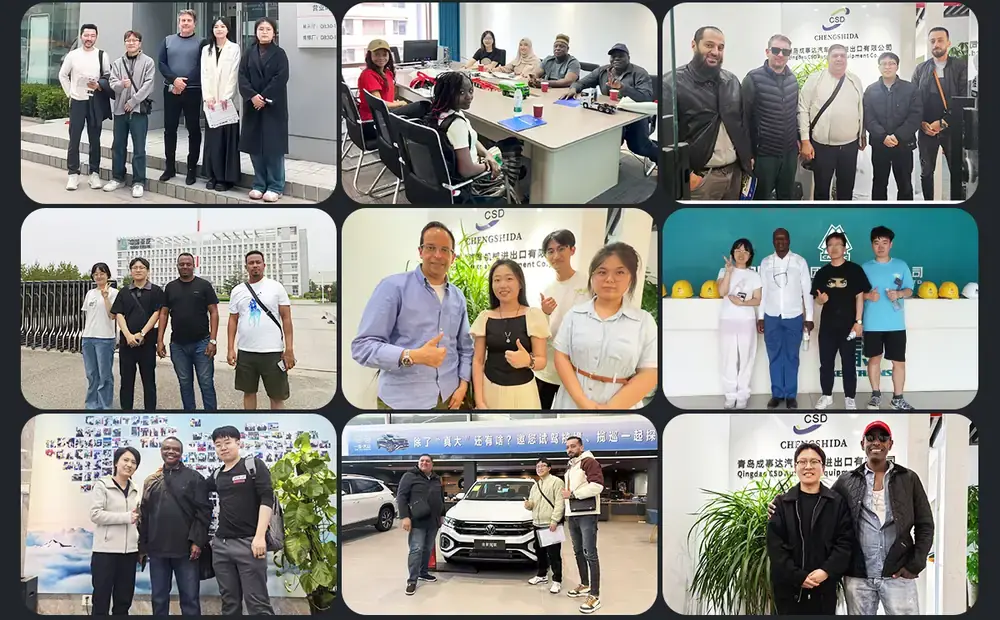
At Chengda Group, we recognize that navigating the transition to new energy vehicles requires more than just hardware; it requires comprehensive technical support. We assist our clients in selecting the right fleet configuration that meets specific regional Emission Standards while optimizing for maximum payload capacity. Whether you are scaling up your green fleet or beginning your initial pilot project, our experts are dedicated to aligning your logistics operations with the future of sustainable transport.

FAQ - Critical Insights on New Energy Vehicles
Q1: How do new energy vehicles help in reducing the total cost of ownership (TCO)?
A: They offer lower fuel costs (electricity vs. diesel) and require significantly less maintenance due to fewer mechanical components, leading to long-term savings.
Q2: Is it challenging to integrate new energy vehicles into an existing fleet?
A: While it requires careful planning, using data-driven fleet management software makes the transition seamless by optimizing route planning and charging cycles.
Q3: How do government incentives impact the ROI of new energy vehicles?
A: Government subsidies and tax benefits significantly reduce the initial capital expenditure, drastically accelerating your return on investment.
Q4: What is the most critical factor when planning an EV fleet?
A: Forward-looking infrastructure planning, including on-site charging stations and grid integration, is vital to ensure 24/7 fleet availability.
Q5: How can Chengda Group support my business in this transition?
A: We provide end-to-end consulting, from selecting the right vehicle models and configurations to ensuring your fleet is compliant with global environmental regulations.
In 2026, the transition to new energy vehicles is the definitive strategy for any logistics company aiming to remain competitive. Reach out to Chengda Group today to build a sustainable, future-ready fleet.